
Travel Journal / Africa & Safaris
Luxury Tours Agency Travel Journal · Updated 25 October 2026 · 5 min read
In this article
Plan around current travel advice
2. Understand the ancient caravan towns
3. Learn about local traditions respectfully
5. Visit markets with a local guide
6. Discover the Richat Structure
7. Explore Banc d’Arguin’s birdlife
9. Spend time on the Atlantic coast
Looking for things to do in Mauritania? Desert scenery, historic caravan towns and Atlantic wetlands offer a distinctive journey for well-prepared travelers. These nine experiences are starting points for planning, subject to current travel advice, local access and suitable support.
Plan around current travel advice
Before choosing a route, read the current official Mauritania travel advice and the guidance issued by your own government. Restrictions and risks vary by region. Check every overnight stop and connecting road, and confirm insurance for the exact itinerary. Our Mauritania safety guide explains the planning questions to ask.
1. Explore Saharan landscapes
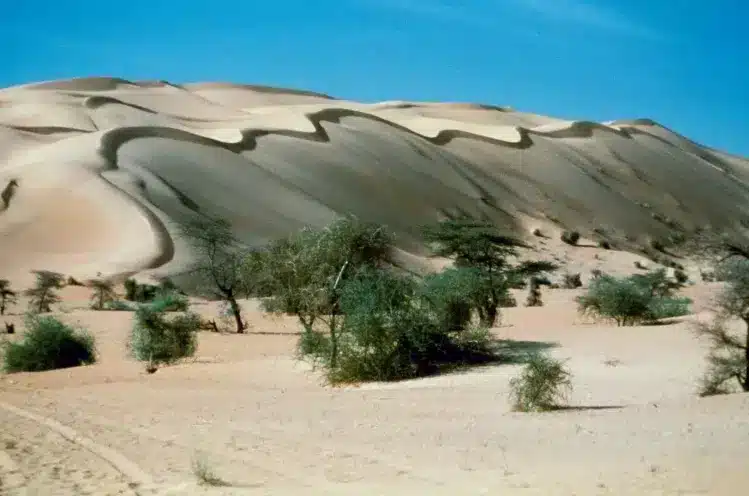
The desert is a central part of Mauritania’s landscape. A carefully planned excursion can offer dune views, changing evening light and time away from busy towns. Distances are substantial: arrange a suitable vehicle, an experienced local team, water, fuel and reliable communications. Do not treat a remote desert crossing as an improvised day trip.
2. Understand the ancient caravan towns
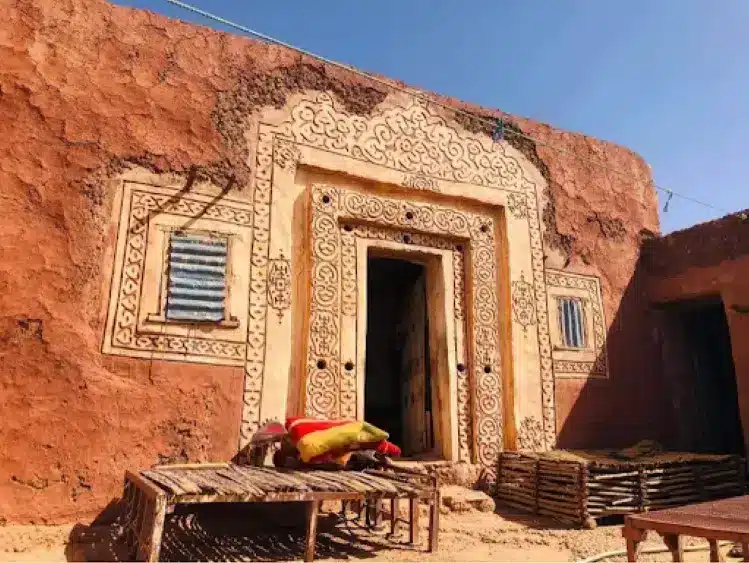
The UNESCO-listed ancient ksour of Ouadane, Chinguetti, Tichitt and Oualata reflect the history of trans-Saharan trade. Their stone and earth architecture rewards a slow visit with a knowledgeable guide. They are widely separated, so seeing all four requires more than a short circuit. Access to libraries and religious buildings must be arranged locally; do not assume every interior is open to visitors.
3. Learn about local traditions respectfully
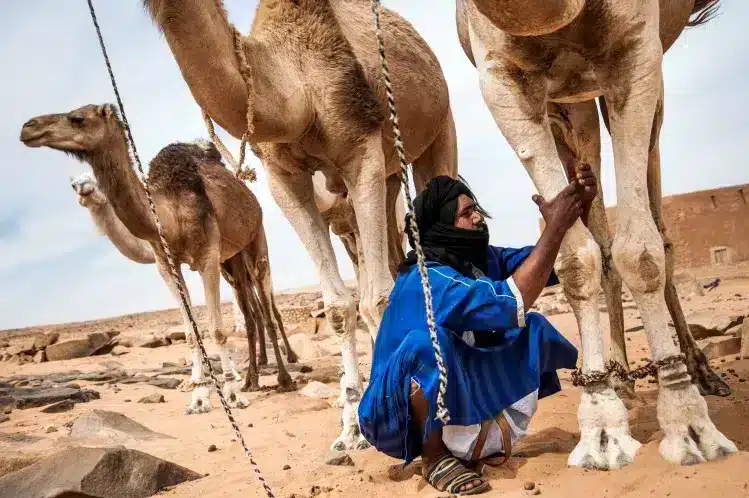
Mauritania includes diverse communities and traditions. A hosted conversation, a tea ceremony or a visit to a working craft workshop can offer context that a photograph cannot. Arrange visits with the host’s agreement, ask before photographing people, and pay fairly for guiding or demonstrations. Avoid describing all Mauritanians as one nomadic or ethnic group.
4. Pause in an oasis
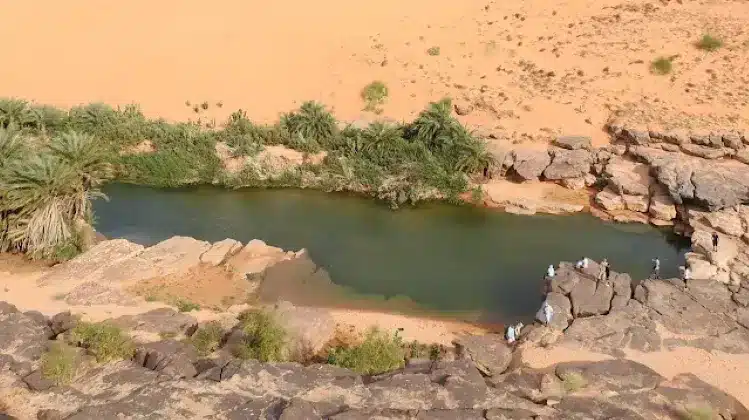
Palm groves and oasis settlements provide a different perspective on desert life. Choose a stop that fits the confirmed route rather than adding long detours. Ask your guide about local agriculture, water use and access to private gardens. Walking conditions and water availability vary; an oasis visit should not be sold as a guaranteed swimming opportunity.
5. Visit markets with a local guide

Markets reveal everyday trade, from food to textiles and household goods. Go with a guide who can explain the setting and help with respectful interaction. Agree prices before buying and check restrictions on taking particular items home. In busy working areas, allow space for traders and ask before taking close-up photographs.
6. Discover the Richat Structure
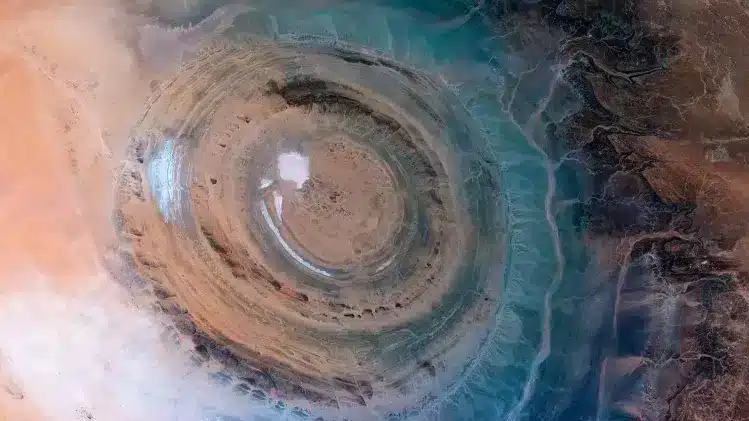
The Richat Structure, also called the Eye of the Sahara, is a large geological formation near Ouadane. Its famous concentric pattern is best understood from aerial or satellite imagery; the ground-level experience is a broad rocky landscape. Visit for geology and scenery, with realistic expectations, and only if current regional advice and local conditions support the route.
7. Explore Banc d’Arguin’s birdlife
Banc d’Arguin National Park is a UNESCO World Heritage site known for its coastal habitats and birdlife. Plan an authorized visit with appropriate local guidance and respect wildlife viewing distances. Ask about permits, access and the conditions for any boat excursion. Do not book expecting guaranteed whale sightings: the park’s defining visitor interest is its wetland and bird habitat.
8. Try Mauritanian cooking

Meals can include rice, fish, meat and locally prepared tea, with ingredients and traditions varying by community and region. Ask your host what is seasonal and explain allergies or dietary requirements in advance. In remote areas, choices may be limited, so discuss meals before departure. A guided introduction to everyday cooking is more useful than expecting a standardized resort menu.
9. Spend time on the Atlantic coast
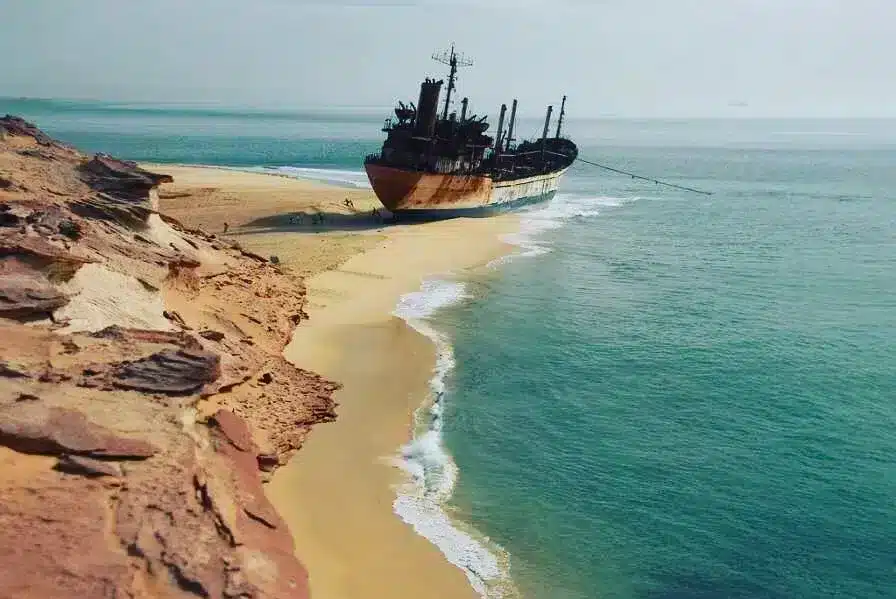
Mauritania’s Atlantic coast includes fishing communities and open stretches of sand. Choose accessible stops with local advice, and treat fishing ports as working places rather than staged attractions. Wind, surf and currents can make conditions unsuitable for swimming. A coastal walk or a photography stop may be a better fit than a conventional beach holiday.
Build a realistic private journey
Mauritania is a specialist travel destination where logistics shape the experience. Agree driving times, accommodation standards, bathroom arrangements, communication and contingency plans before booking. This article is inspiration rather than confirmation that every location is suitable on your dates. To compare possibilities and alternatives, speak with our travel team.
Choose a travel theme before choosing every stop
For a first planning conversation, decide whether your main interest is caravan history, desert landscapes, or Atlantic wildlife. A history-focused journey needs time with knowledgeable guides and space to appreciate the towns; a photography-focused route needs daylight at the right locations. Trying to combine every theme can add long transfers without improving the experience.
Accommodation and guiding should be considered together. A remote stay may offer a memorable setting with simpler facilities than a city hotel, so describe what comfort means to you before selecting the route. Compare a specialist Mauritania journey with our Morocco itinerary ideas if you prefer a wider range of established luxury stays and cultural visits.