
Travel Journal / Morocco Travel
Luxury Tours Agency Travel Journal · Updated 8 November 2026 · 6 min read
In this article
5. Msemen, baghrir and a Moroccan breakfast
7. Street food in Jemaa el-Fna, Marrakech
Moroccan food is slow, generous and built around the table. Bread comes first, then a dish arrives in the middle for everyone to share, and nobody is in a hurry to clear it. The flavours lean on cumin, ginger, cinnamon, saffron, preserved lemon, olives and fresh herbs, and the best meals tend to be the ones someone cooks for you at home.
Here are eight dishes and food experiences worth planning into a trip, with a note on where to find each one.
1. Tagine
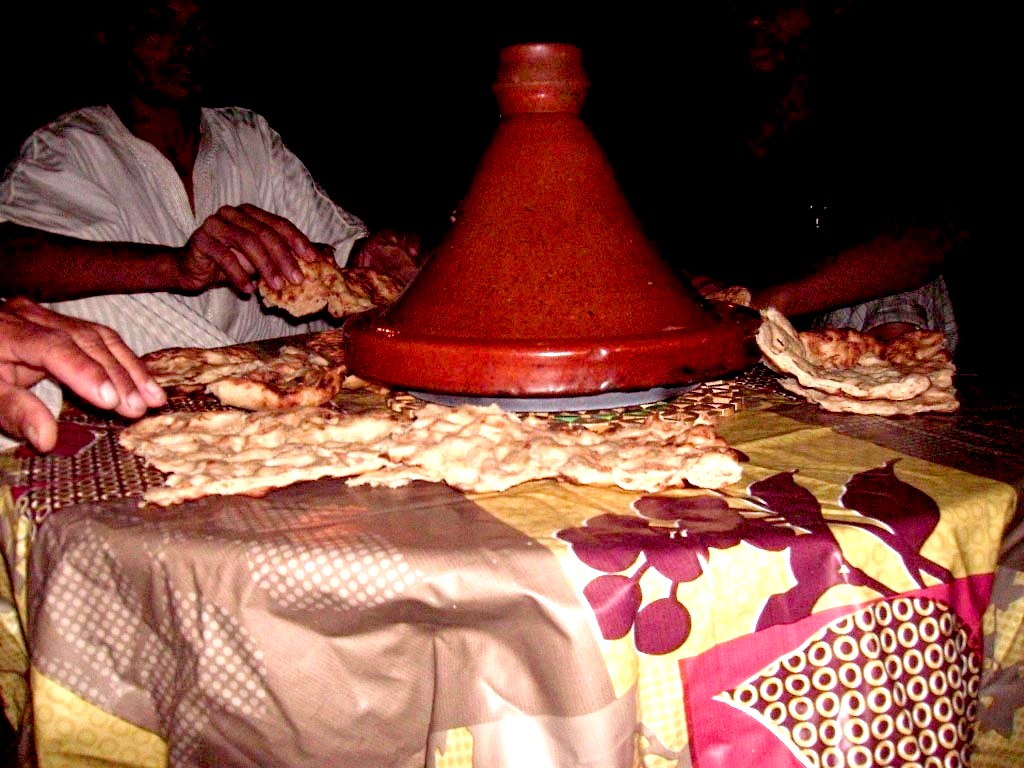
The tagine is both the pot and the dish. A shallow base and a tall conical lid keep the steam inside, so meat and vegetables cook slowly in their own juices. Lamb with prunes and almonds, chicken with preserved lemon and olives, and a simple vegetable tagine are the ones you will see most often.
It arrives in the middle of the table and everyone eats from it with bread, not cutlery. The sauce is the point, so keep some bread for the end.
Where to try it: everywhere, but the version cooked at home or in a small family-run restaurant is usually better than the dish on a tourist menu. Your guide can point you to the right place in each city.
2. Couscous on Friday
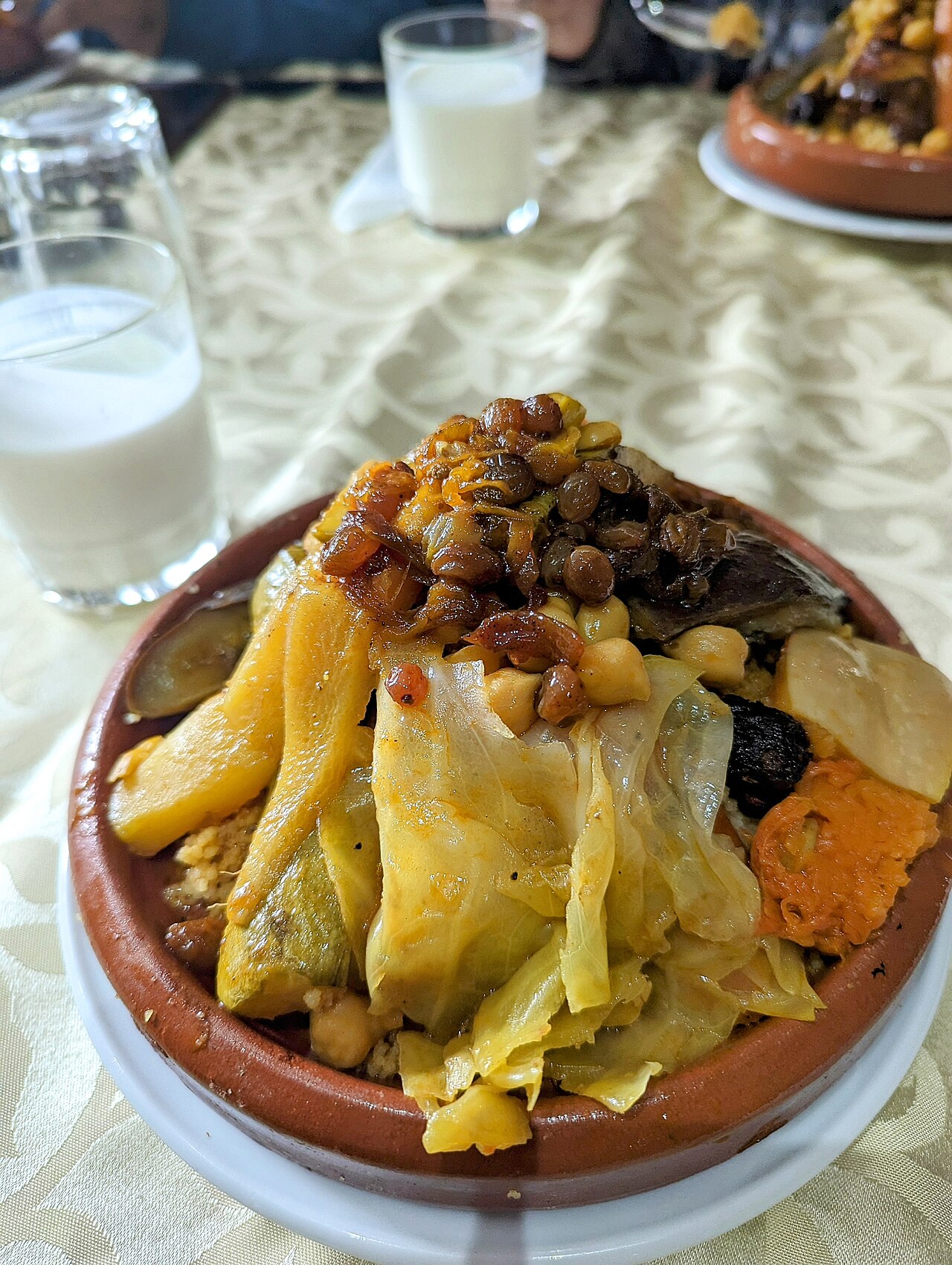
Couscous is steamed semolina, served in a large mound with vegetables and lamb, beef or chicken. In many Moroccan homes it is the Friday meal, eaten after midday prayers with the whole family. A proper version is steamed more than once, which is why it comes out so light.
Restaurants often serve couscous only on Fridays for this reason, so it is worth checking the day when you plan your route.
Where to try it: a family table is best. If you are in Marrakech or Fes on a Friday, ask us to arrange a lunch rather than leaving it to chance.
3. Pastilla
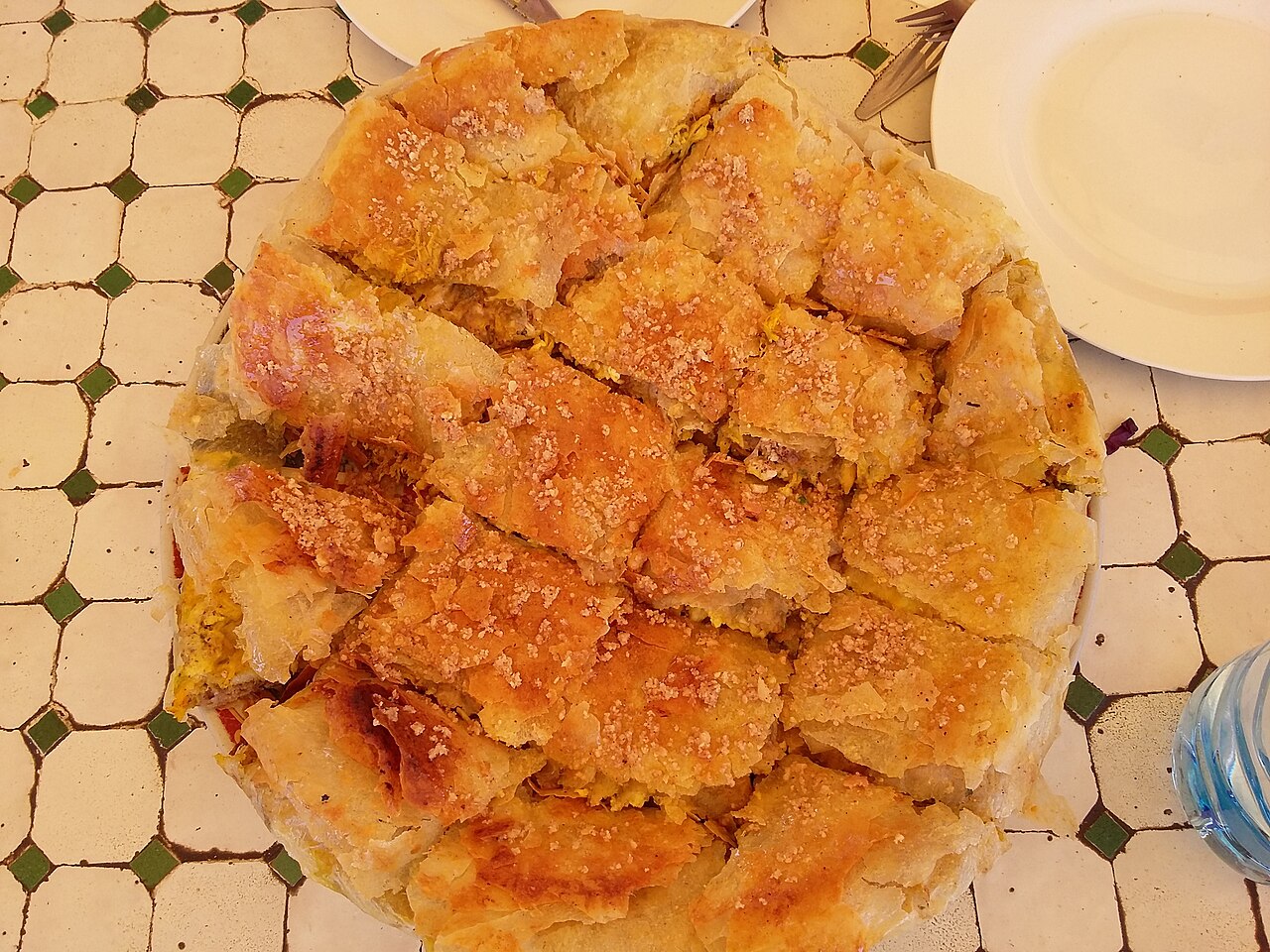
Pastilla, sometimes spelled bastilla, is a pie of very thin pastry filled with spiced meat and almonds and dusted with sugar and cinnamon on top. The sweet and savoury combination surprises most visitors and wins most of them over. Today it is most often made with chicken, with pigeon in the older version, and there are seafood versions too.
It is a dish for celebrations and special dinners, and it is often served as a starter at a formal meal.
Where to try it: in a riad restaurant in Fes or Marrakech, where it is usually cooked to order. Book ahead, since good pastilla takes time.
4. Harira
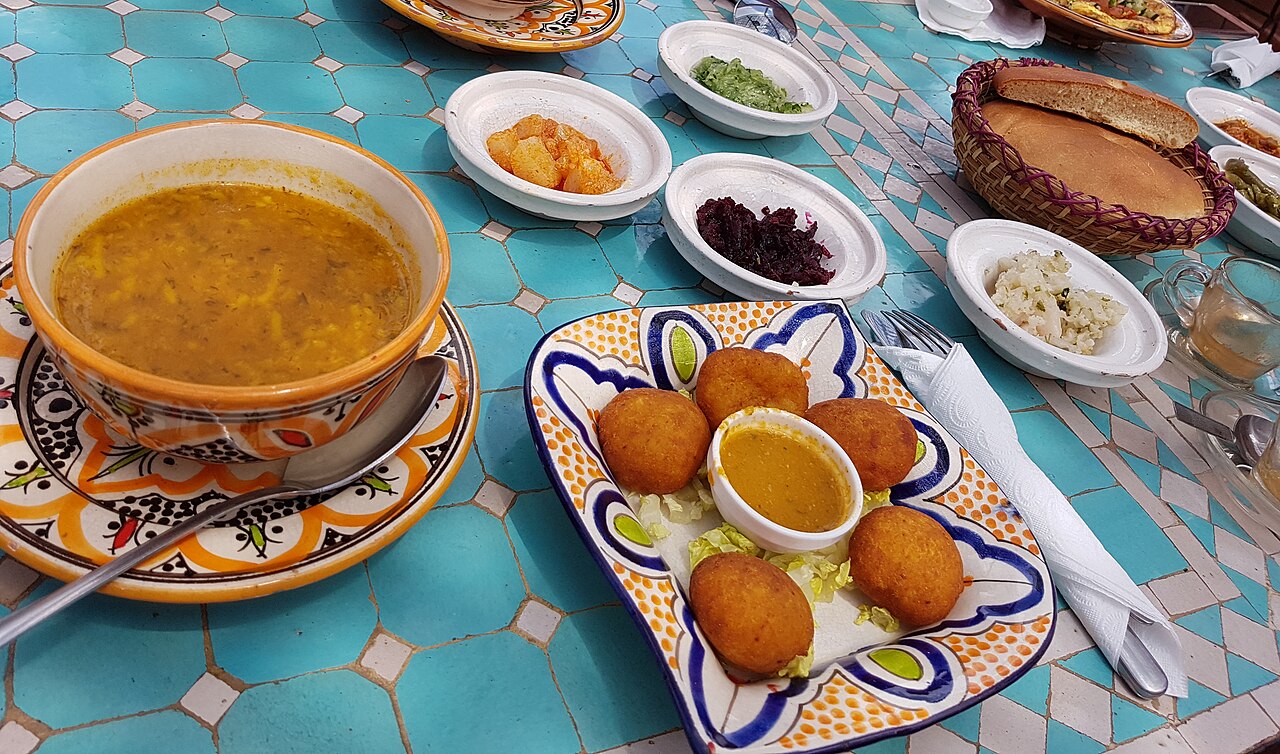
Harira is a thick soup of tomato, lentils, chickpeas and herbs, often finished with a little flour or egg. It is warming, filling and very good on a cool evening in the mountains or the medina.
It is also the soup that breaks the fast during Ramadan, usually served with dates and sweet pastries like the ones in the photo. Outside Ramadan you will find it in cafés and market stalls through the day.
Where to try it: a simple bowl at a market stall is as good as anywhere, and it costs very little.
5. Msemen, baghrir and a Moroccan breakfast
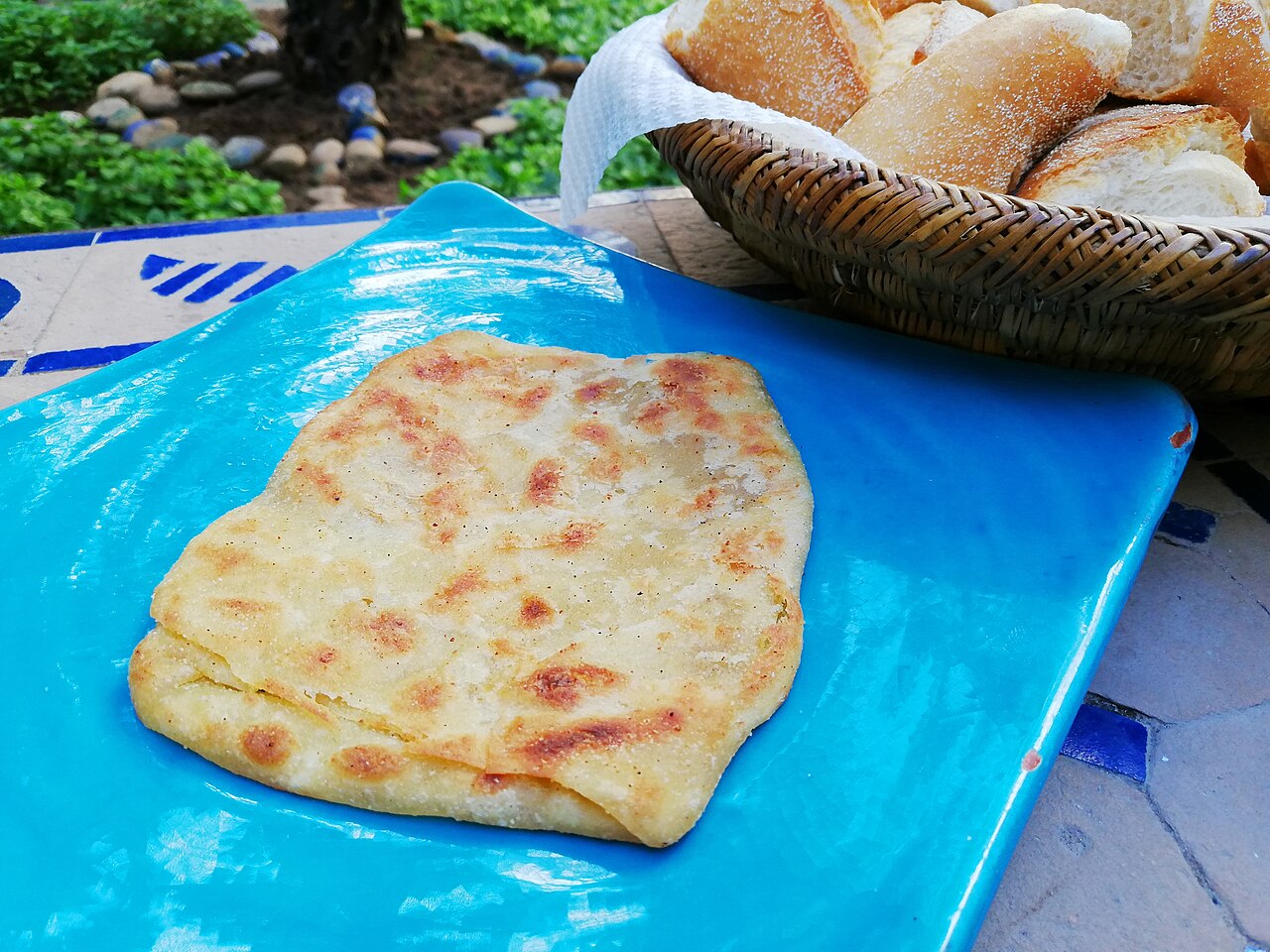
Breakfast is a good reason to stay somewhere with a kitchen that cares. Msemen is a folded, layered flatbread cooked on a griddle. Baghrir is a soft pancake with a surface covered in tiny holes that soak up honey and butter. Add olive oil, jam, soft cheese, eggs, olives and a pot of coffee or tea, and you have a long, slow start to the day.
If you travel through the Souss region around Agadir and Essaouira, look for amlou, a paste of almonds, argan oil and honey that you spread on warm bread.
Where to try it: at your riad or hotel, where breakfast is often made fresh by the same people who run the house.
6. Mint tea
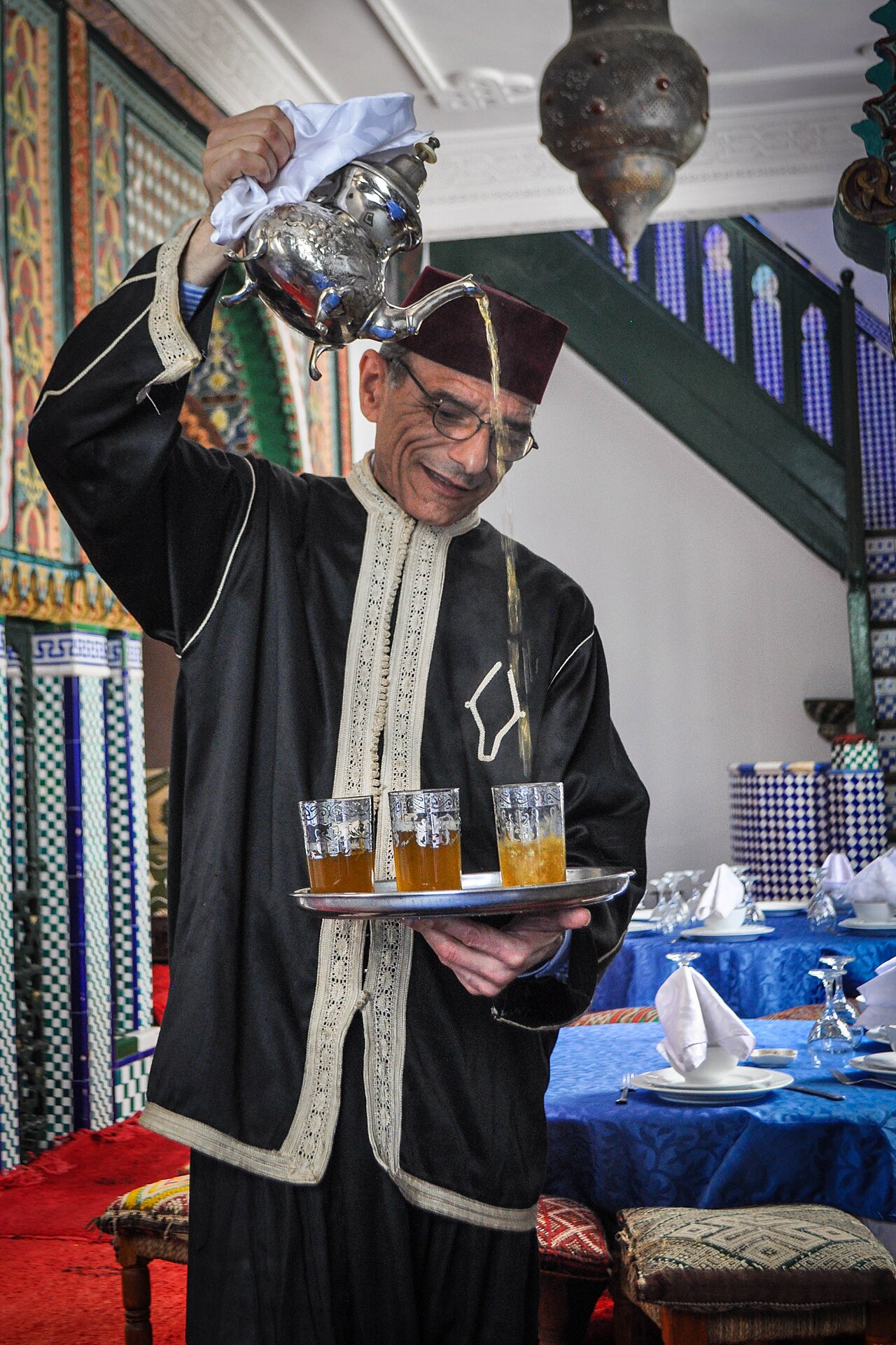
Moroccan mint tea is green tea with a large handful of fresh mint and plenty of sugar, poured from a height into small glasses so that it foams. It is how you are welcomed into a shop, a home or a camp, and it is hard to say no without feeling a little rude.
Ask for it with less sugar if you prefer. Most hosts are happy to adjust, and some will tell you the sugar is part of the tradition, then give you a lighter glass anyway.
Where to try it: everywhere. On a private trip it often comes with a rooftop view, at the end of a market walk or at a desert camp after dinner.
7. Street food in Jemaa el-Fna, Marrakech
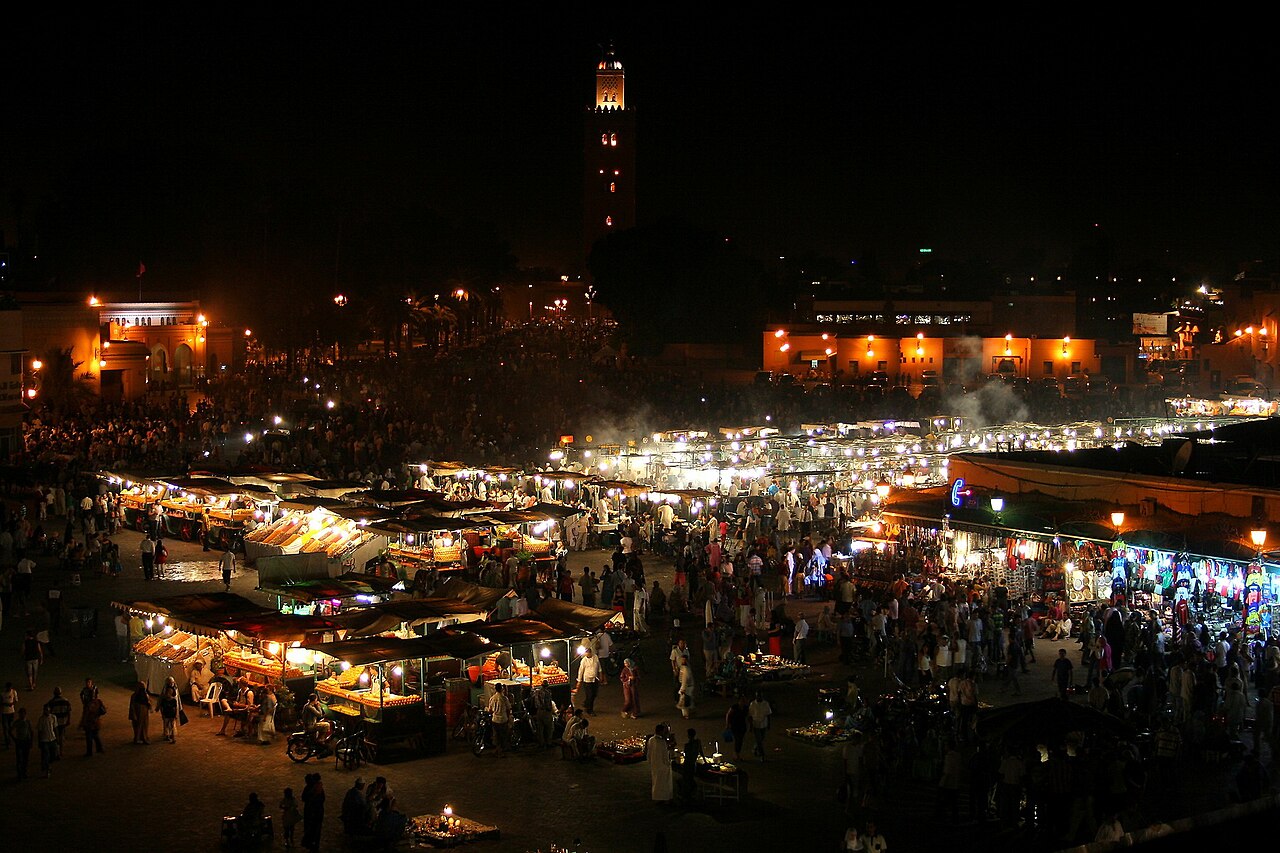
Every evening the main square in Marrakech fills with food stalls, smoke and people. Grilled meats, kebabs, harira, fried fish, salads, olives and sweet pastries are all served from long rows of tables, and the whole square turns into an open-air restaurant. The square itself is recognised by UNESCO as part of the intangible heritage of humanity.
It is loud and busy and well worth seeing, and it is easier with someone who knows the stalls. Choose a busy one, agree what you are ordering before you sit, and ask your guide which stalls they trust.
Where to try it: arrive around sunset, when the stalls are being set up and the light over the Koutoubia minaret is at its best. Our guide to the best things to do in Marrakech has more on the city.
8. A cooking class or a meal in a family home
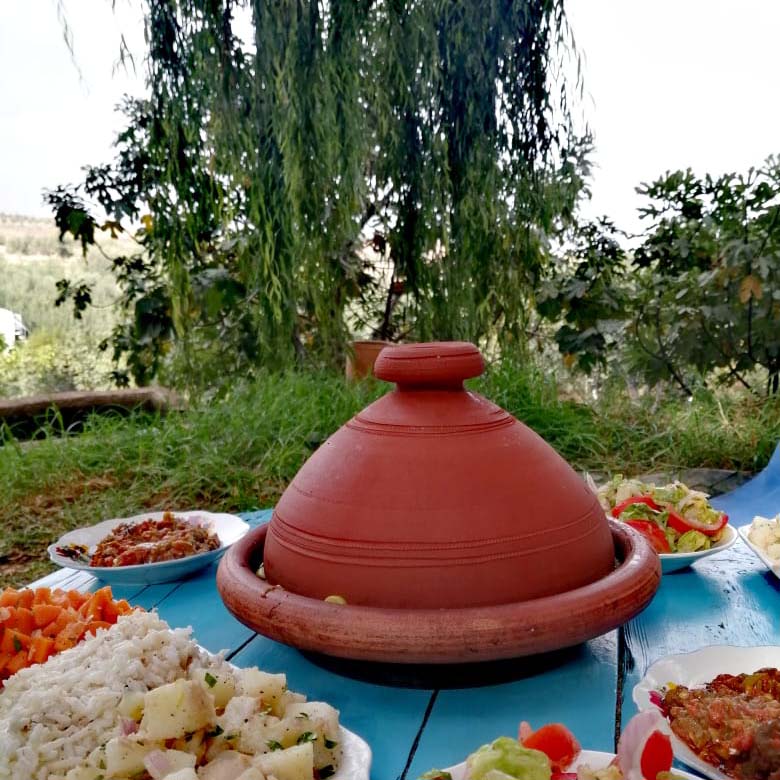
If you only add one food experience, make it this one. A cooking class usually starts at the market with the ingredients, moves to a kitchen, and ends with everyone eating what they have made. You learn how a tagine is layered, how to fold a msemen and how the spice mix is balanced.
Classes are available in Marrakech, Fes and other cities, and some are held in the countryside with ingredients from a farm. A meal in a family home is a quieter option and often the one guests remember most.
Where to try it: we can arrange a class or a family meal on a private journey, from a half-day in a riad kitchen to a longer session outside the city. Tell us what you would like to cook or taste.
Plan food into your route
Eat the way the day runs. A long breakfast, a light lunch in the medina or on the road, and a late family-style dinner. Moroccans eat in the evening and take their time, so do not schedule a tight sightseeing plan after dinner.
For vegetarians. You will do well. Vegetable tagines, couscous with seven vegetables, salads, lentils, bread and soups are everywhere. Tell us about any allergy or dietary need in advance so each restaurant can prepare.
If you visit during Ramadan. Many daytime restaurants close or run reduced hours, and the evening meal at sunset becomes the event of the day. It can be a special time to travel, but plan with a guide who knows how the days are organised.
On a private tour we build in the meals that matter, a long lunch in a family home, a cooking class and one or two places you would not find alone. See our guide to the best places to visit in Morocco for where to go, our guide to the best riads in Morocco for where to stay, and the 8-day private Morocco tour as a starting point.