
Travel Journal / Jordan Travel
Luxury Tours Agency Travel Journal · Updated 8 November 2026 · 6 min read
In this article
Jordan is a small country with a surprising amount in it. In a single week you can walk into a Nabataean city, sleep in the desert, float in the Dead Sea, and eat one of the best breakfasts of your life. These eight places are the ones we send guests to most often, with a line on how long each deserves and what to know before you go.
If you only have time for three, make it Petra, Wadi Rum and the Dead Sea. If you have a little longer, Amman, Jerash and Dana are what turn a good trip into a great one.
Amman: the Citadel and the Roman Theatre
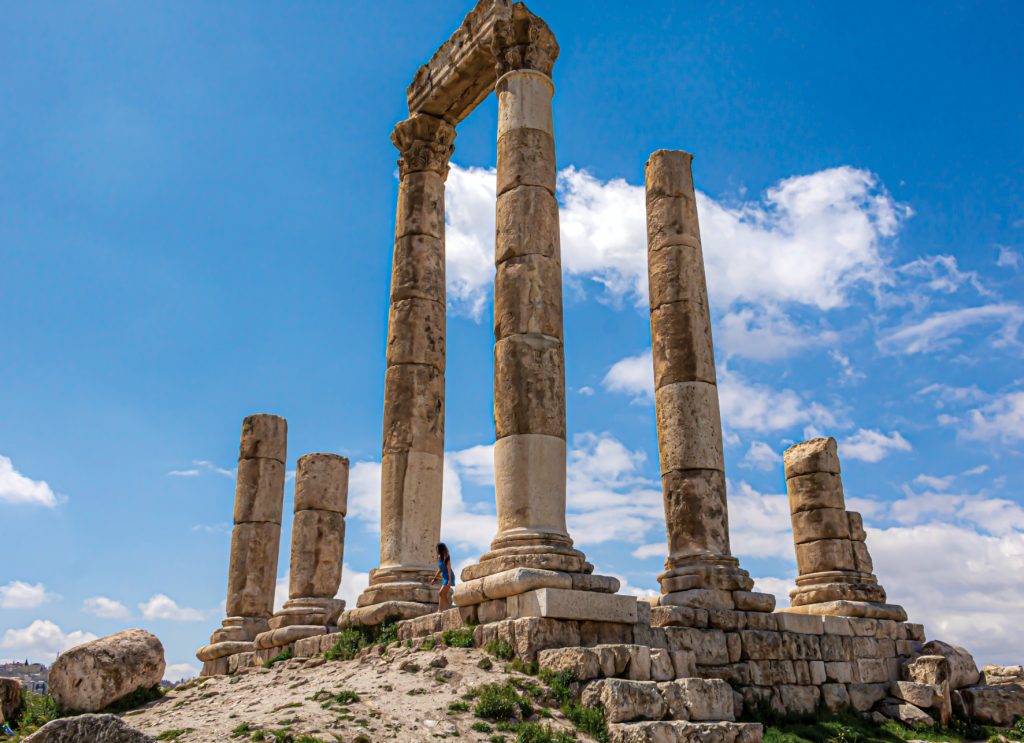
Most people land in Amman and leave it for Petra within a day. That is a pity. The city climbs over a set of hills, and its best hour is on the Citadel at about four in the afternoon, when the stone turns honey-coloured and you can see the whole of downtown below you.
The Temple of Hercules, whose tall columns you will recognise from the skyline, dates from the second century. Walk a little further and you reach the Umayyad Palace complex and a small museum. Then go down into the city: the Roman Theatre sits right in the middle of downtown and still seats around six thousand people. The streets around it are good for a slow wander, and the old souk is the place to buy spices, dates and Arabic coffee to take home.
How long: half a day is enough, a full day if you want the museums and a long lunch. Good to know: the Citadel is exposed, so go late in the day in summer.
Petra
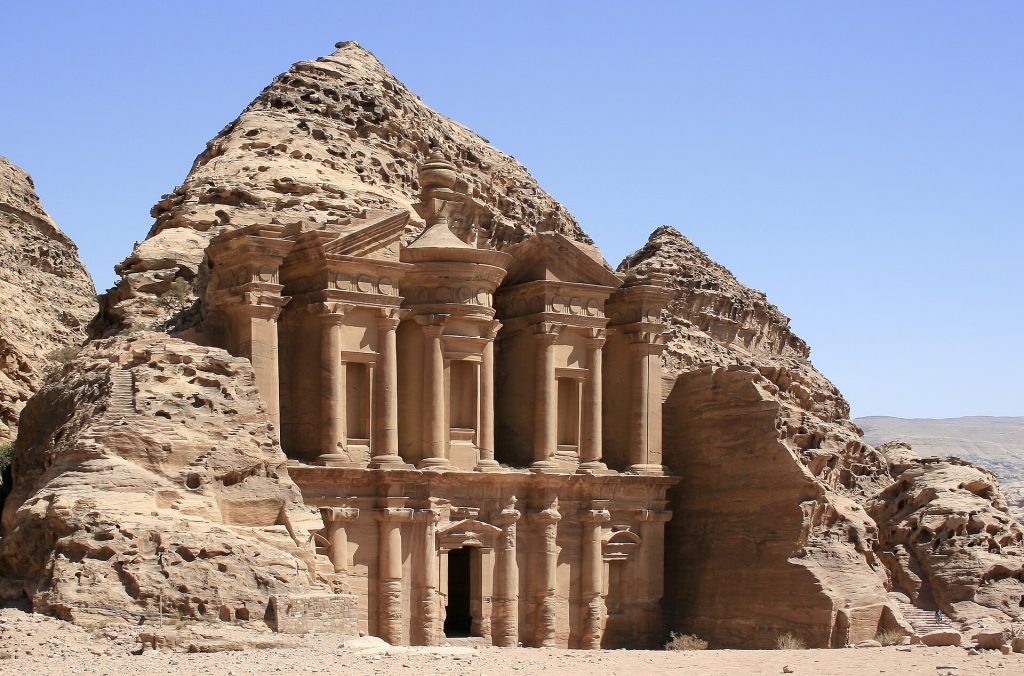
Petra is the reason most people come, and it is better than the photographs. The city was carved and built by the Nabataeans, who grew rich on the incense and spice routes. You arrive on foot through the Siq, a narrow canyon of about a kilometre, and the first glimpse of the Treasury between the rock walls is a moment that holds up even when you know it is coming.
The mistake is to treat the Treasury as the whole visit. Beyond it you find the Street of Facades, the Royal Tombs and the Great Temple. The climb to the Monastery is around 800 steps and takes the better part of an hour each way. It is worth it for the scale of the building and the view from the ledge opposite, but you should know it is a real climb.
How long: one full day at the very least. Two days lets you do the Monastery and a quieter trail without rushing. Good to know: wear shoes with grip, carry water, and ask your guide to start early, before the tour buses arrive. If you want to see Petra lit by candles in the evening, check which nights it runs and book it separately.
Wadi Rum
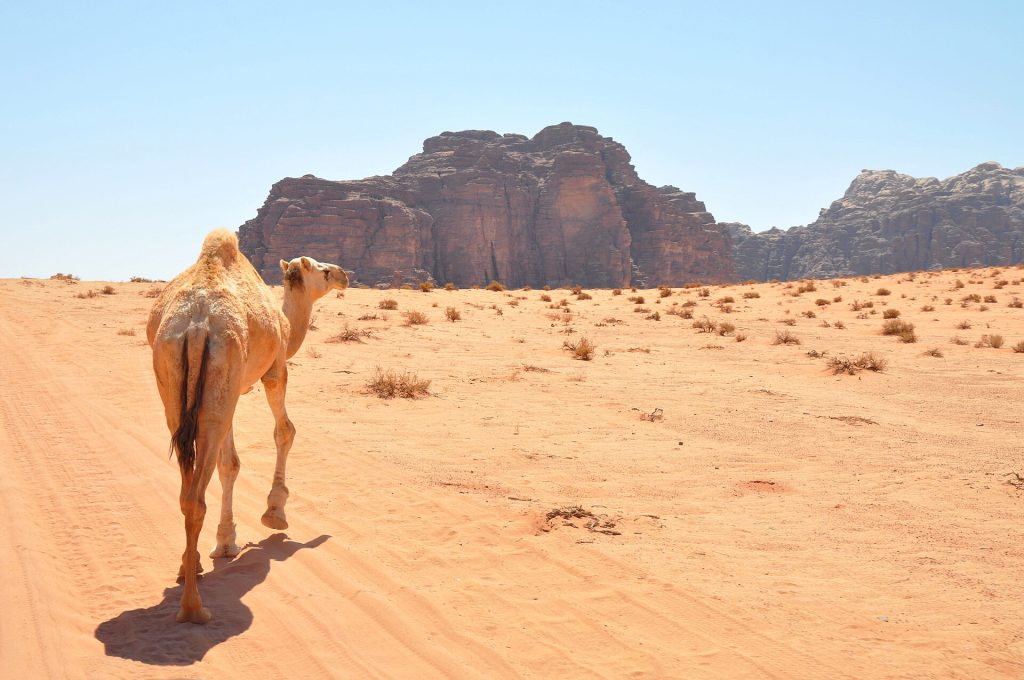
Wadi Rum is a desert of red sand and sandstone towers that feels more like a landscape on another planet. Bedouin families have lived here for generations, and the best way to see the valley is with a Bedouin guide, by 4×4 and on foot, stopping where the light is good rather than at a fixed list of sights.
Plan an overnight. Sunset over the rocks, dinner cooked in a sand oven (the traditional zarb), tea around the fire and a sky full of stars are what people remember afterwards, much more than any single viewpoint. Camps vary a great deal. Some are simple tents, others have real beds, private bathrooms and heating. Ask exactly what you get before you commit.
How long: one night is ideal. Good to know: nights are cold from November to March, and the middle of the day is very hot in summer.
The Dead Sea
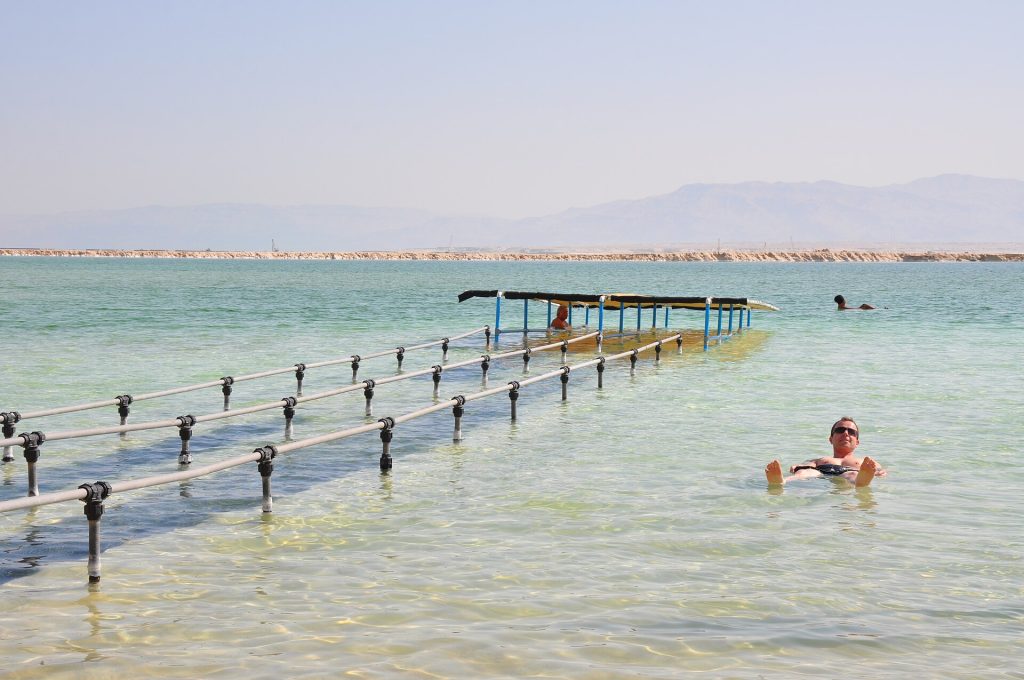
At around 430 metres below sea level, the Dead Sea is the lowest point on land. The water is so salty that you float without trying, which is as funny as it sounds. Give yourself an hour in the water, a layer of mud if the hotel offers it, and then an afternoon doing nothing.
It works best as a pause after Petra or Wadi Rum, when your legs need a rest. Keep the water away from your eyes, do not shave before swimming, and follow the hotel’s guidance on how long to stay in. Remember that the Dead Sea is not the Red Sea: if you want snorkelling, that is Aqaba, a different part of the country.
How long: one night, or two if you want the spa days. Good to know: the Dead Sea is roughly an hour by road from Amman, so it also fits the start or end of a trip.
Jerash
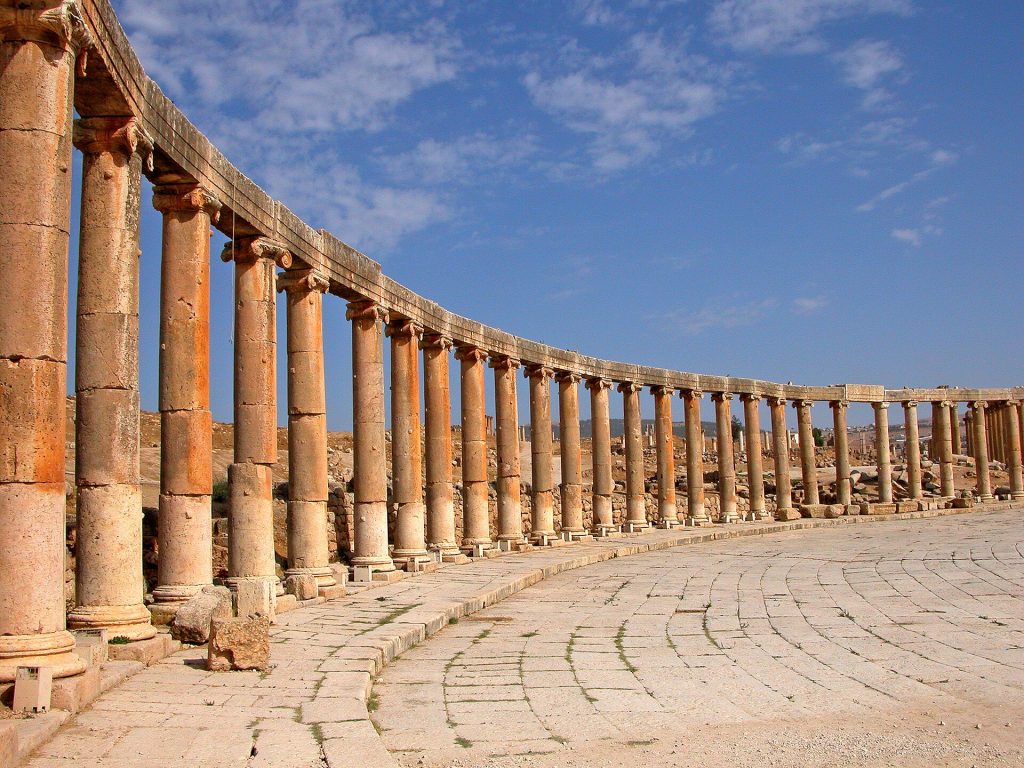
Jerash was the Roman city of Gerasa, and it is among the best preserved Roman provincial towns anywhere. You enter under Hadrian’s Arch, walk down a long colonnaded street, and come out into the Oval Plaza, one of the most elegant public spaces from the ancient world. The Temple of Artemis and two theatres sit higher up.
With a good guide it is easy to picture a day in the life of the town. Without one, it is a lot of columns. Come in the morning if you can.
How long: half a day. Good to know: Jerash is about 50 kilometres north of Amman, so it pairs well with a morning start from the capital and lunch in town.
Umm Qais
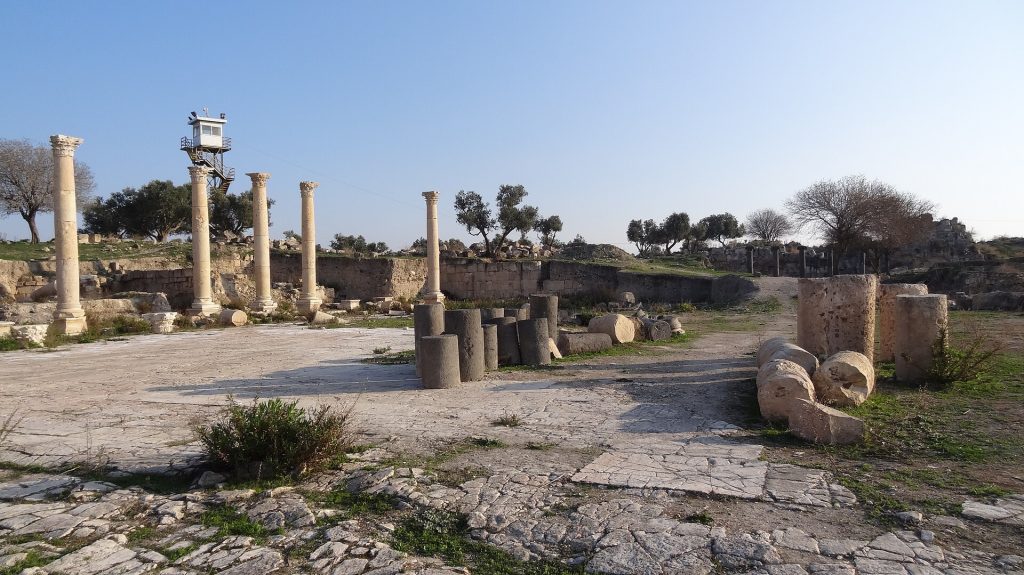
In the far north-west corner of Jordan, Umm Qais was ancient Gadara, a city of the Decapolis. Its black basalt theatre and long colonnaded street are beautiful, but the real attraction is the view. On a clear day you look across to the Sea of Galilee and the Golan Heights.
It is quieter than Jerash and a good choice if you like places that few visitors reach. It makes sense only if you have time. The drive from Amman takes roughly two hours each way.
How long: a half day, plus the drive. Good to know: combine it with Jerash on a single northern day only if you are happy with a long day in the car.
Madaba and Mount Nebo
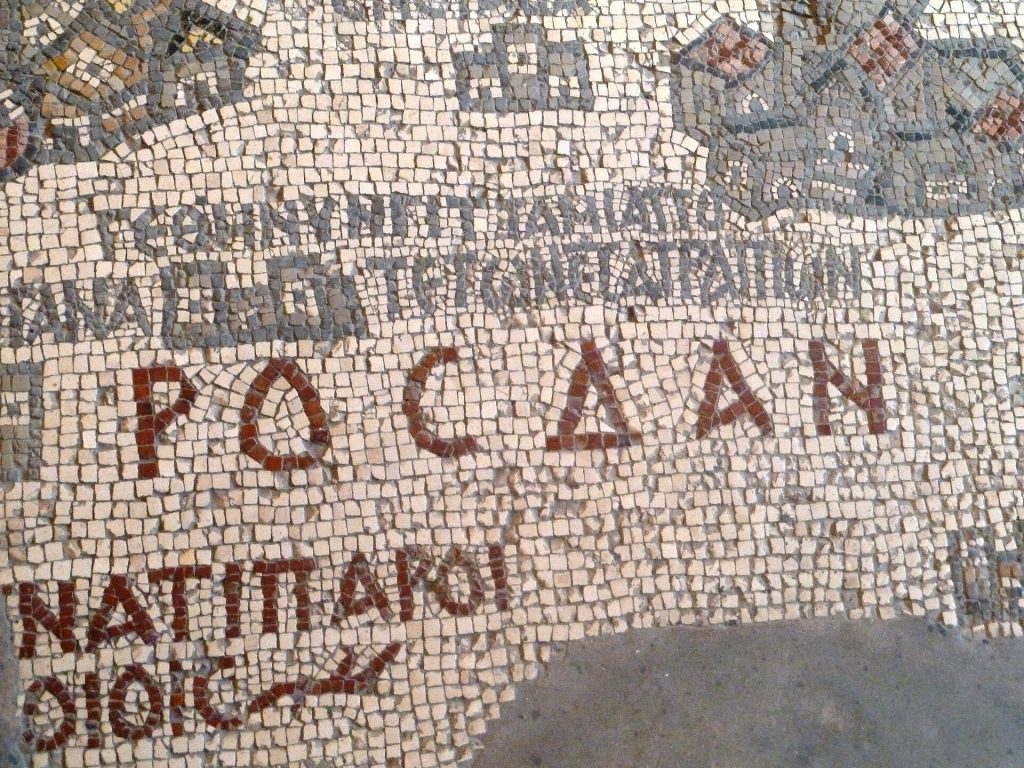
Madaba is a small town known for mosaics. In the Greek Orthodox church of Saint George you can see a sixth-century floor map of the Holy Land, with Jerusalem at its centre, made from about two million pieces of stone. It is smaller than people expect and far more detailed.
Mount Nebo, a short drive away, is where tradition says Moses looked out over the promised land. On a clear day the view over the Dead Sea and the Jordan valley is the reward.
How long: two to three hours for both. Good to know: they fit easily on the road between Amman and the Dead Sea or Petra. Dress modestly and respect worshippers in the church.
Dana Biosphere Reserve
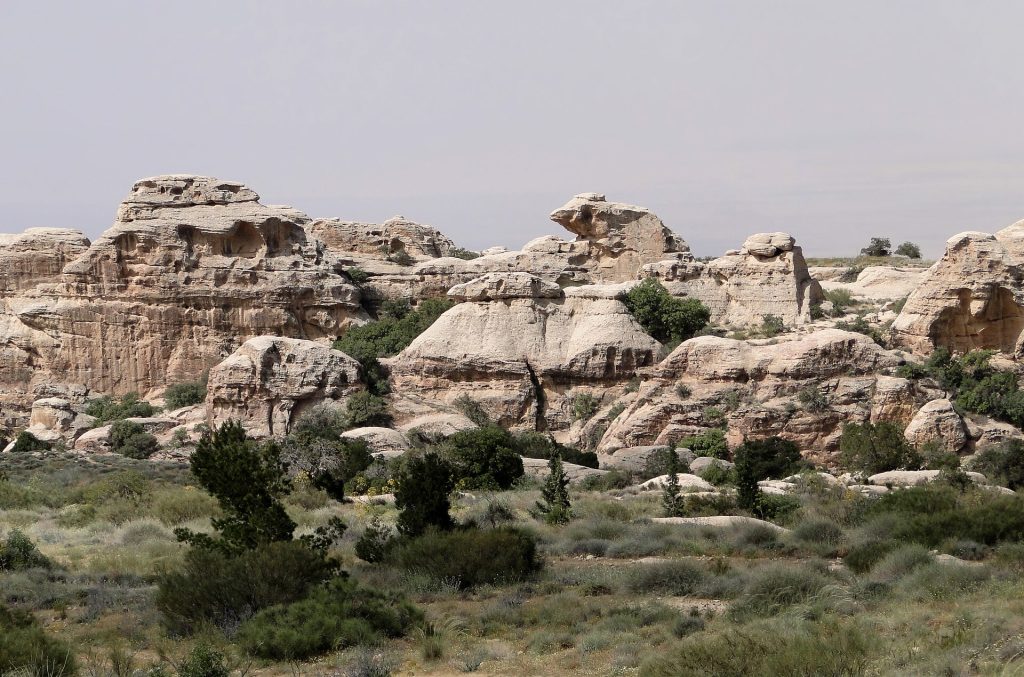
Dana is the green surprise. It is Jordan’s largest nature reserve, a long sweep of hills and valleys that drop towards the Wadi Araba. A stone village clings to the ridge, and guided walks lead down to remote desert lodges. It feels completely different from the monuments elsewhere in the country.
Choose a guided walk of the length that suits you, bring layers, and ask about the terrain before you set out. It is a lovely place to spend a night between Madaba and Petra.
How long: one night, or a long afternoon walk. Good to know: spring is the best season, when the hills are green and flowers are out.
How to put Jordan together
A first trip works well in seven or eight days: two nights in Amman with Jerash or Madaba, one night at the Dead Sea or in Dana, two nights near Petra, and one night in Wadi Rum. Drive times are short by European standards, but the roads wind, and nobody enjoys a sightseeing day that ends in the dark.
When to go. Spring (March to May) and autumn (September to November) are the most comfortable seasons. Summer is very hot in Petra, Wadi Rum and the Dead Sea. Winter days can be lovely, but nights in the desert are cold and Petra can see rain.
Eat well. Food is a big part of the trip, and you will remember a zarb dinner under the stars for a long time. Our guide to food in Jordan explains what to order and where to look for it. If you are still choosing where to sleep, read our guide to the best hotels in Jordan.
Go with someone who knows the way. On our private tours your guide and driver are yours alone, all entry tickets are included, and the route is paced around you. Our 8-day private Jordan tour is a good starting point, and we change it to suit your dates and interests. Before you book anything, check the latest official travel advice for your own country.