
Travel Journal / Jordan Travel
Luxury Tours Agency Travel Journal · Updated 8 November 2026 · 6 min read
In this article
5. Falafel, hummus and ful for breakfast
7. Arabic coffee and Bedouin tea
Jordanian food is generous, shared and rarely rushed. You will eat at a long table in Amman, from a platter in the desert, and with your hands more often than you expect. The cooking leans on lamb, chicken, rice, flatbread, olive oil, sumac, mint and lemon, and the best meals are usually the ones someone cooks for you.
Here are eight dishes and food experiences worth planning into a trip, with a note on where to find each one.
1. Mansaf
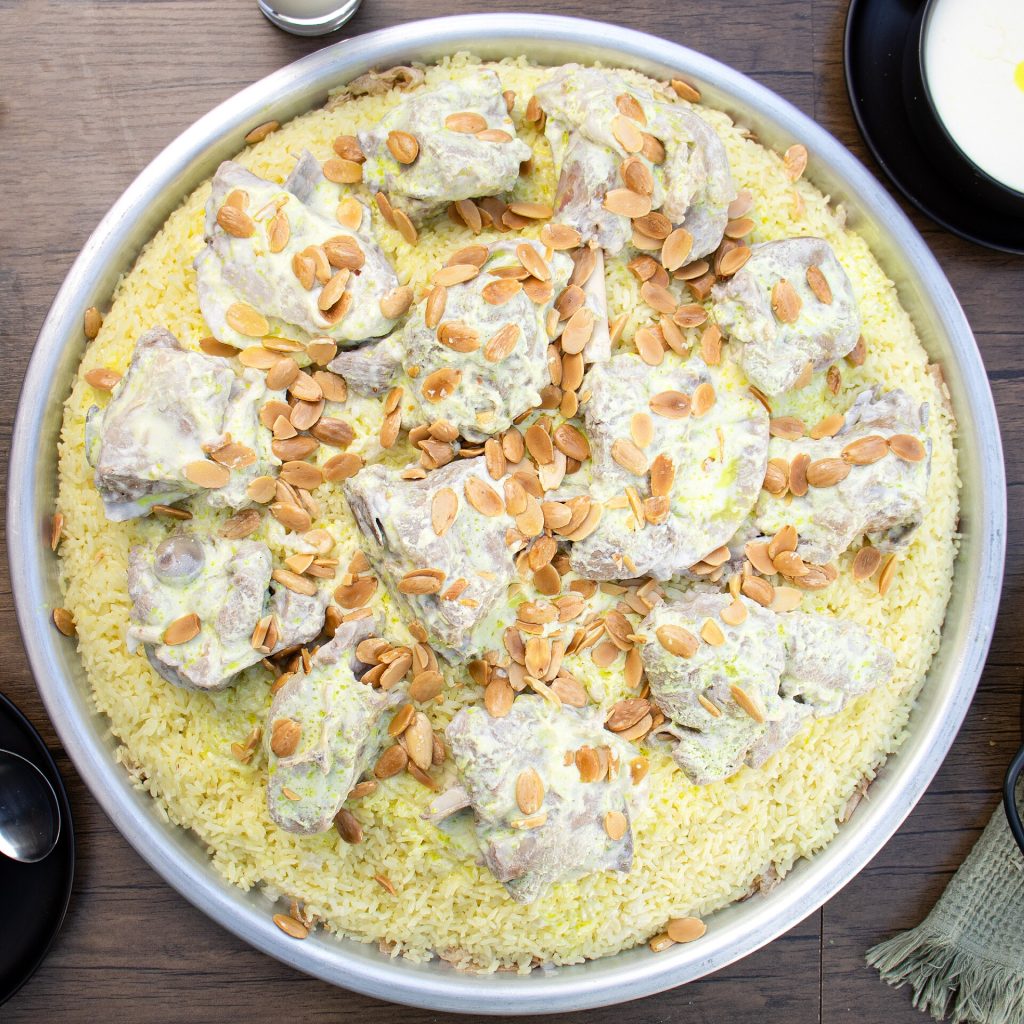
Mansaf is the national dish and the one you should not skip. Lamb is cooked in a sauce made from jameed, a dried, fermented yoghurt, then served over rice on a thin flatbread called shraak and scattered with nuts. It is traditionally eaten at weddings and gatherings, from a shared platter, often with the right hand. The sauce is tangy and rich, and it tastes quite unlike anything you have had before.
Where to try it: a family table is best. Restaurants along the King’s Highway, including in Karak, are known for it, and your guide can book a place you will not find on your own.
2. Zarb: the Bedouin barbecue
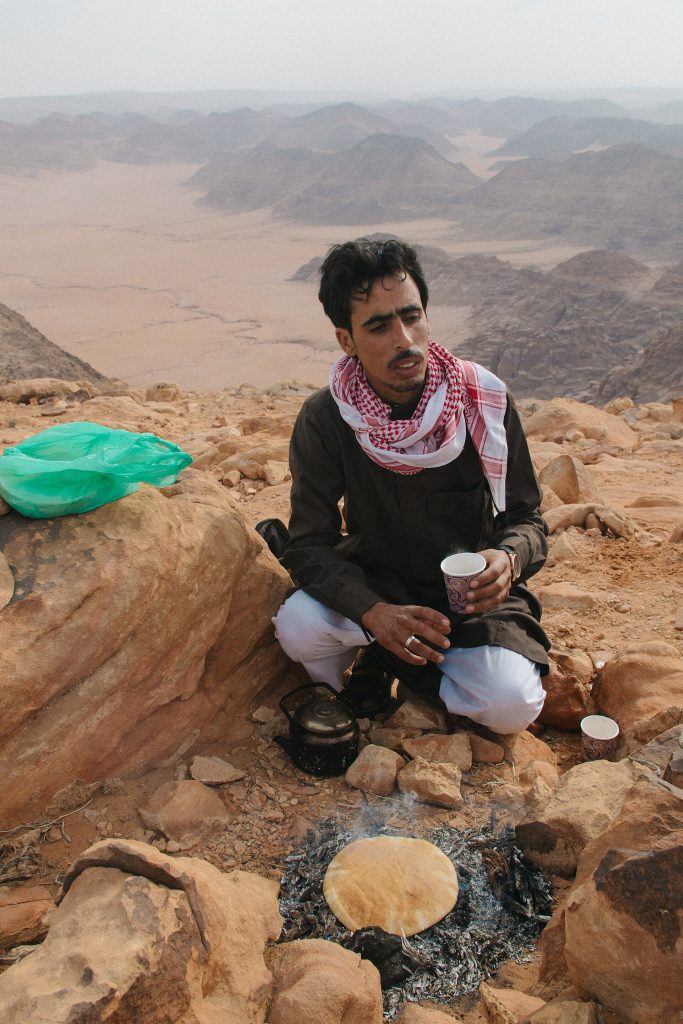
Zarb is cooked underground. Meat, usually lamb or chicken, goes into a pit with vegetables and rice, is covered with a blanket and sand, and left to cook for hours. It comes out in the evening, soft and smoky, in front of the camp. Dinner is followed by sweet tea, and by the stars.
Where to try it: at a camp in Wadi Rum. It is the best food experience of the trip, and it is simple to add to a night in the desert.
3. Maqluba
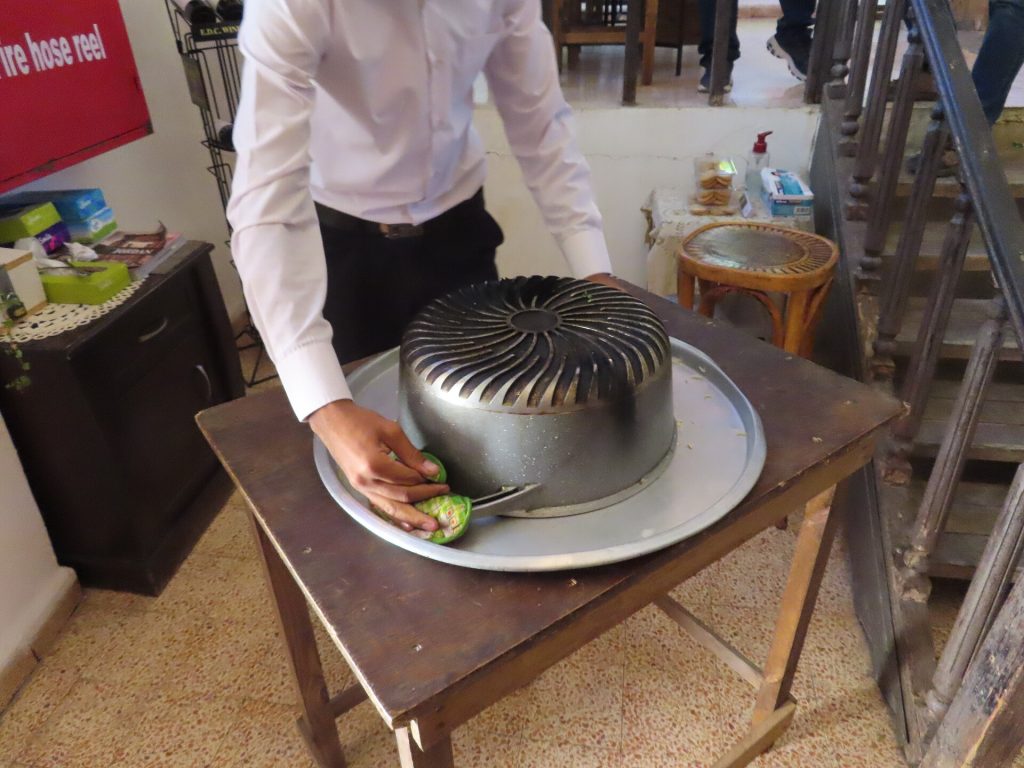
Maqluba means “upside down”. Rice, fried aubergine or cauliflower, tomato and chicken or lamb are layered in a pot, cooked slowly, and flipped onto a platter at the table. When it works, the whole thing comes out in a neat dome. A family often turns it out with a small flourish, and everyone leans in.
Where to try it: in a home or a small restaurant. A family meal in Petra or a cooking class in Amman is a good setting.
4. Musakhan
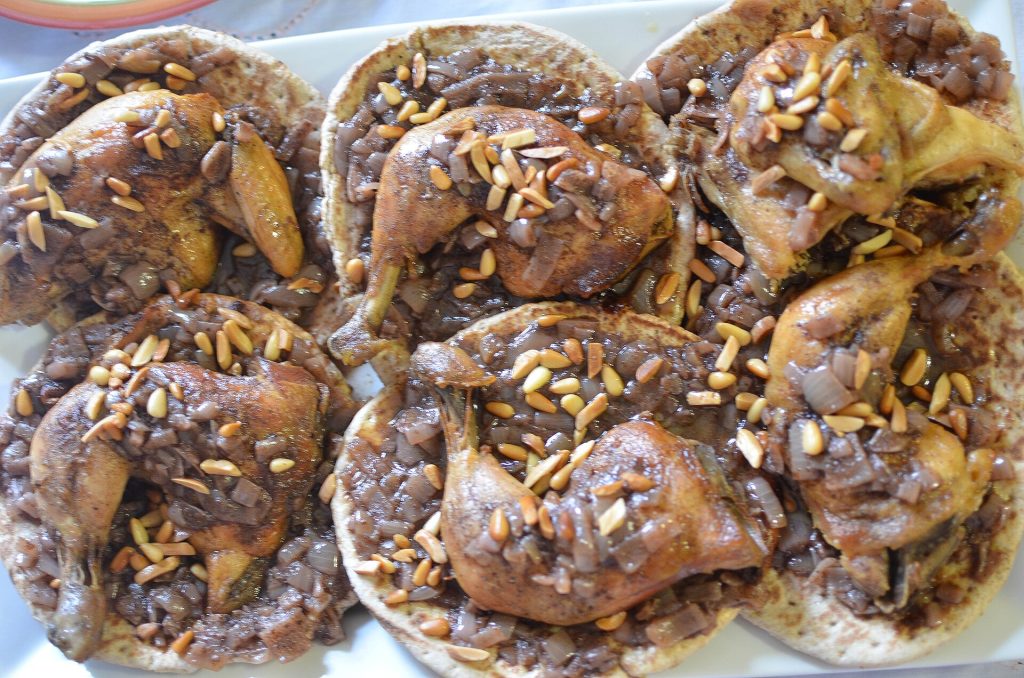
Chicken roasted with plenty of onions and sumac, laid over flatbread that soaks up the juices, then scattered with toasted pine nuts. It is a dish of the olive harvest, and one of the most comforting things you can eat in Jordan. Tear off a piece of bread, wrap the chicken, and go.
Where to try it: ask your guide for a home-style restaurant. It is not always on the menu in tourist places.
5. Falafel, hummus and ful for breakfast
Breakfast in Amman is a sit-down meal that you will want to repeat. Hummus with olive oil and pine nuts, ful medames (slow-cooked fava beans with lemon and chilli), crisp falafel, fresh bread, tomatoes and mint. Prices are low and the portions are generous.
Where to try it: Hashem, in downtown Amman, is the famous address, and it is simple, busy and informal. Go early, and share.
6. Knafeh
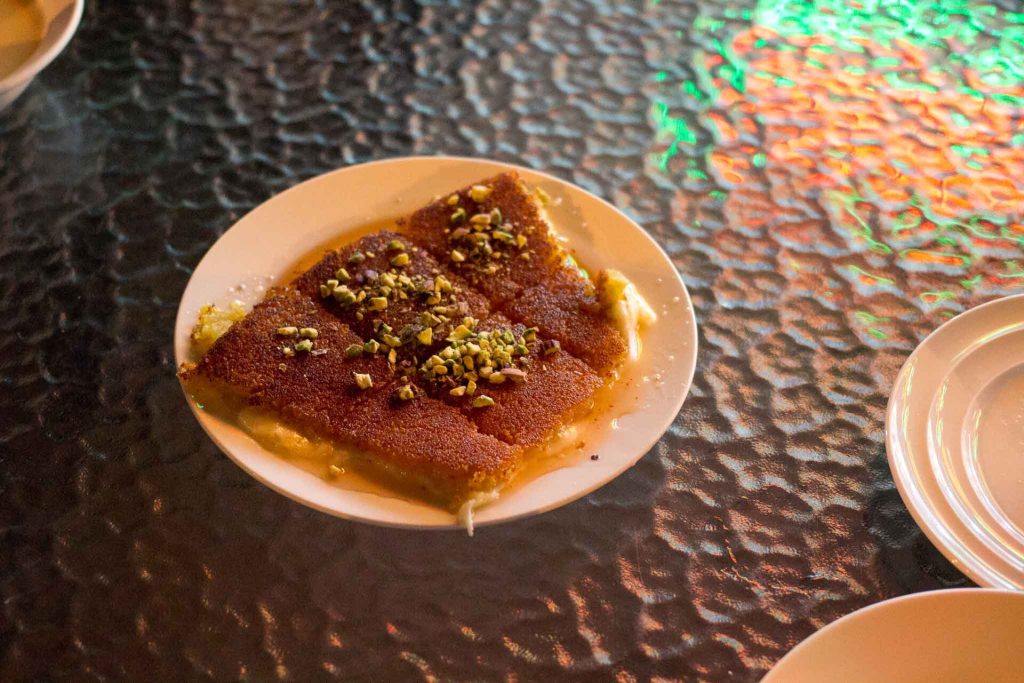
A warm pastry of soft white cheese under a crisp, orange-coloured topping, soaked in sugar syrup and topped with pistachios. You eat it hot. It is rich, sweet and a little salty, and it is best shared. In Jordan the version from Nablus, knafeh nabulsi, is the standard.
Where to try it: a sweet shop in downtown Amman. Habibah is an old favourite in the centre.
7. Arabic coffee and Bedouin tea
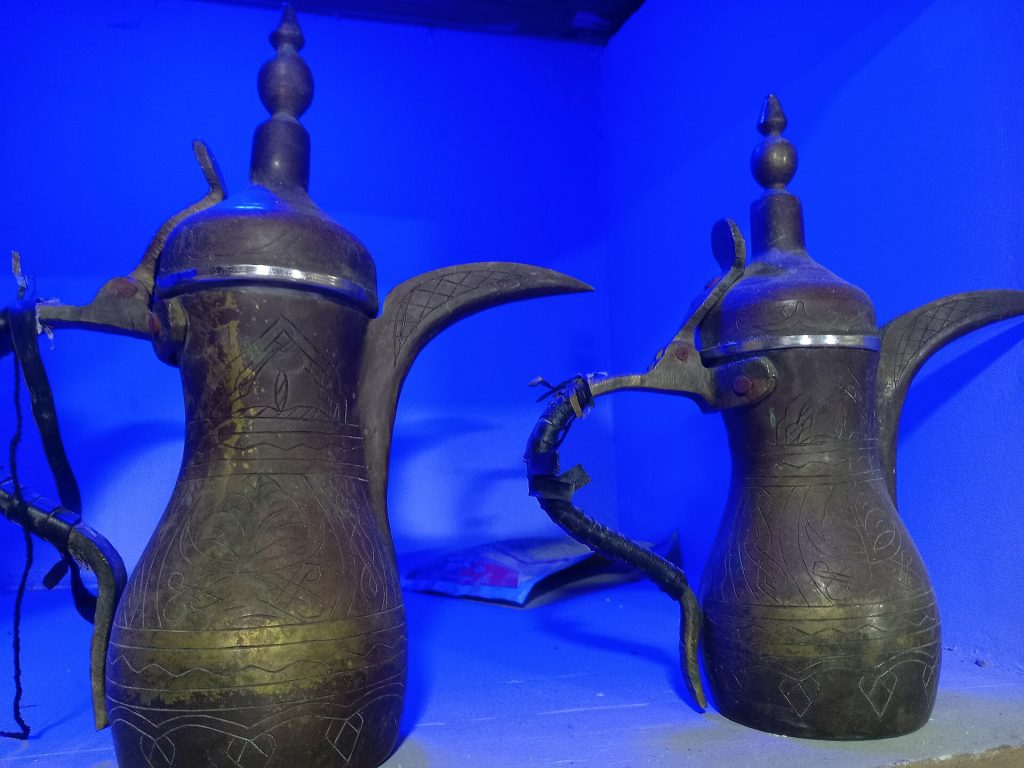
Hospitality in Jordan starts with a drink. Arabic coffee is lightly roasted, flavoured with cardamom and poured in a small cup. You are offered it again until you shake the cup to say you have had enough. In the desert, you will be served strong sweet tea with sage or mint, often boiled over an open fire.
Where to try it: everywhere, and be ready to accept. It is part of the welcome.
8. A cooking class or a meal with a family
If you enjoy cooking, spend a morning in a kitchen with a Jordanian host. In Amman, Beit Sitti, a cooking school run by a family, teaches dishes such as maqluba in a home setting. A Bedouin family can also host you for a simple meal or a visit to a goat farm, where you try milking, then share labneh, hummus and tea. These are the days travellers talk about afterwards.
Where to try it: we can arrange a class or a family meal on a private journey in Amman, Madaba or near Petra. Tell us what you would like to cook or taste.
Plan food into your route
Eat the way the day runs. A big breakfast in Amman, a falafel or kebab lunch on the road, and a long family-style dinner in the evening. Jordanians eat late and take their time, so do not plan a fixed sightseeing schedule around dinner.
For vegetarians. You will do very well. Hummus, mutabbal, tabbouleh, fattoush, falafel, and many vegetable dishes are part of the mezze table. Tell us in advance about any allergy or dietary need.
If you visit during Ramadan. Daytime restaurants may be closed or quiet, and iftar, the evening meal at sunset, becomes the event of the day. It can be a moving time to travel, but plan with a guide who knows how the day is organised.
On a private tour we build in the meals that matter, a zarb dinner in Wadi Rum, a long lunch near Jerash, and one or two stops that you would not find alone. See our guide to the places to visit in Jordan for where to go, our guide to hotels in Jordan for where to stay, and the 8-day private Jordan tour as a starting point.